Industries

Software shaped by how the work really happens

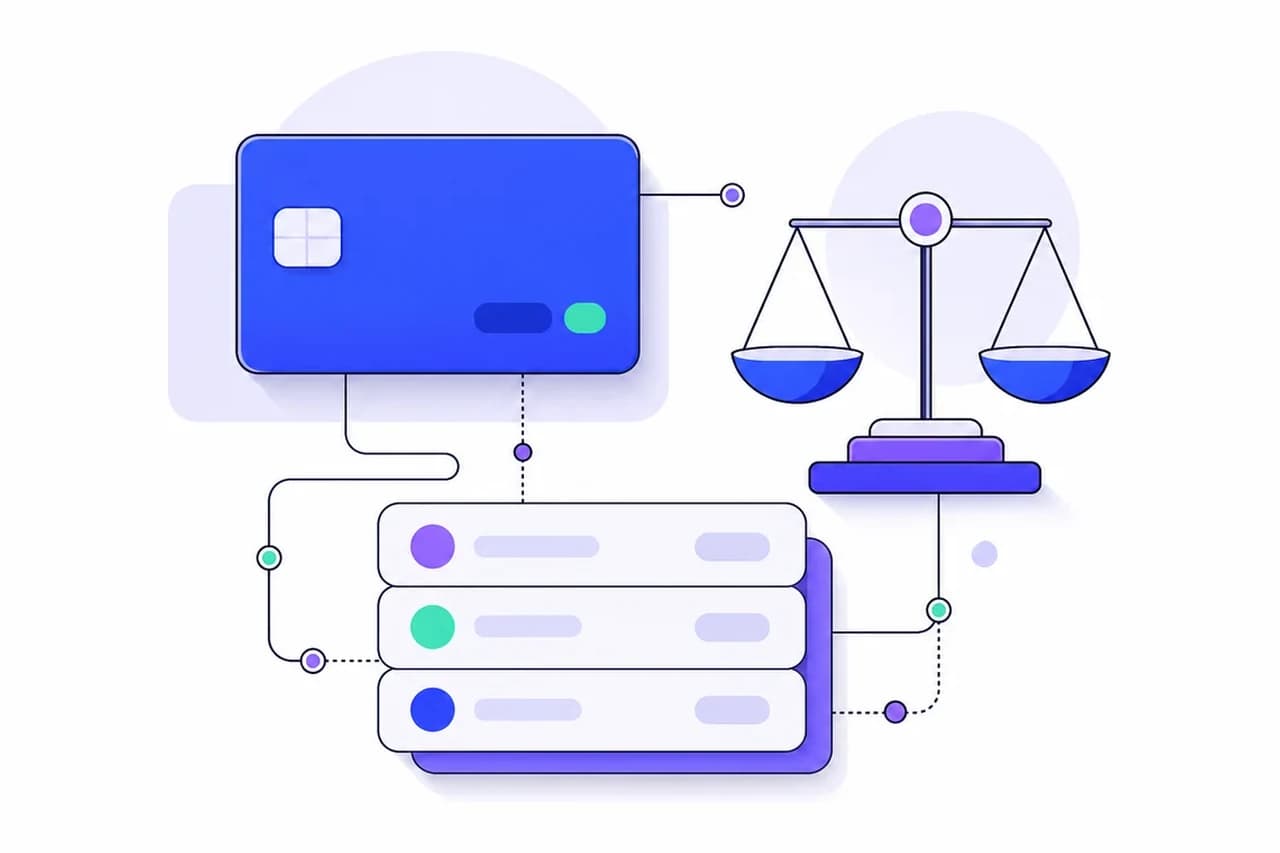
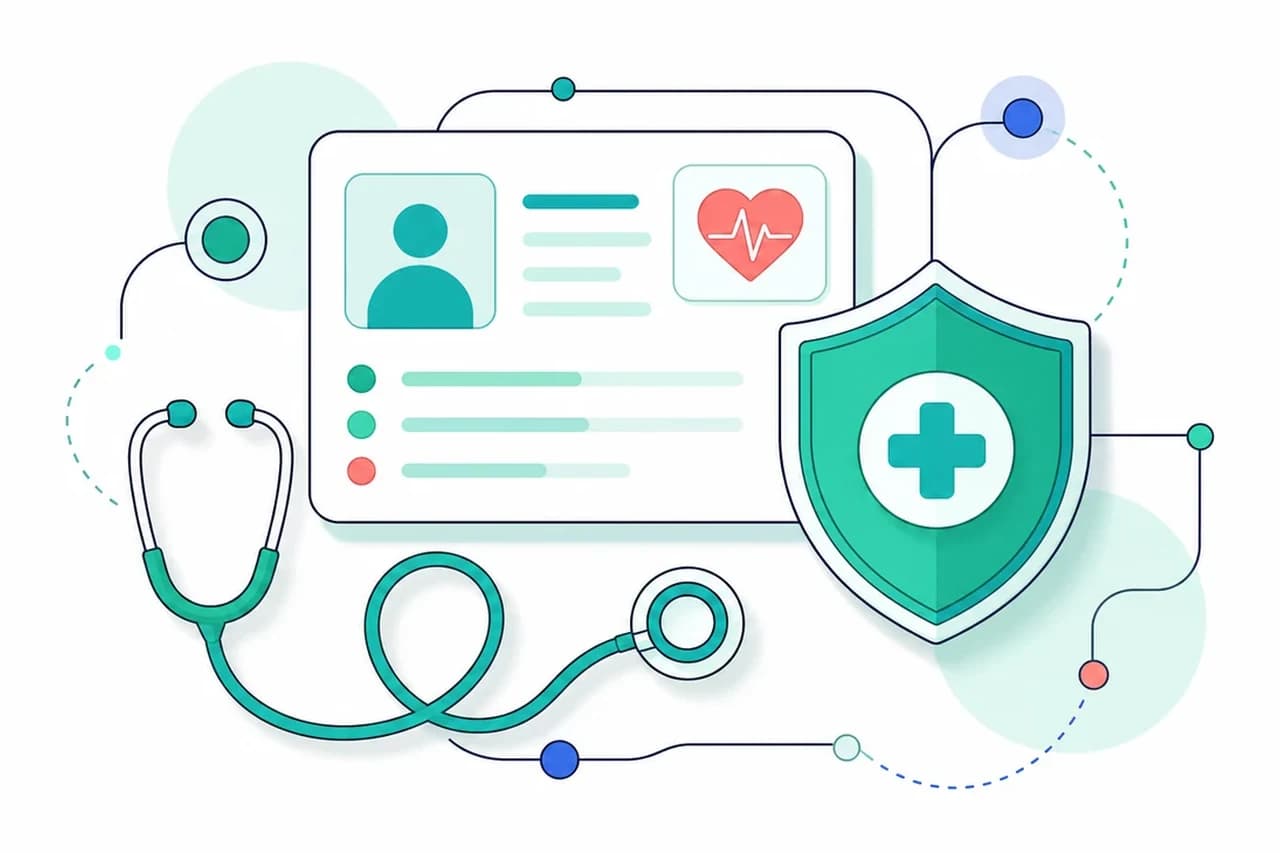
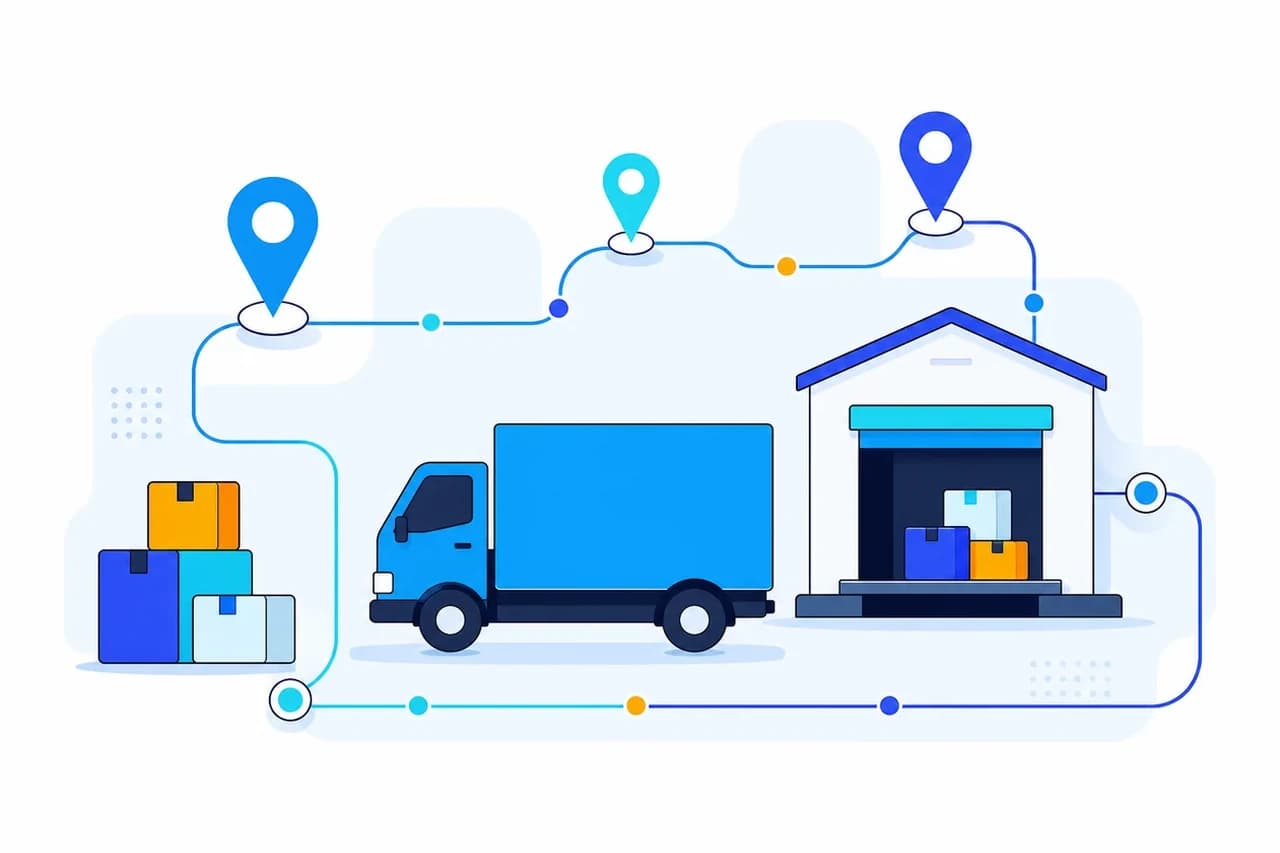
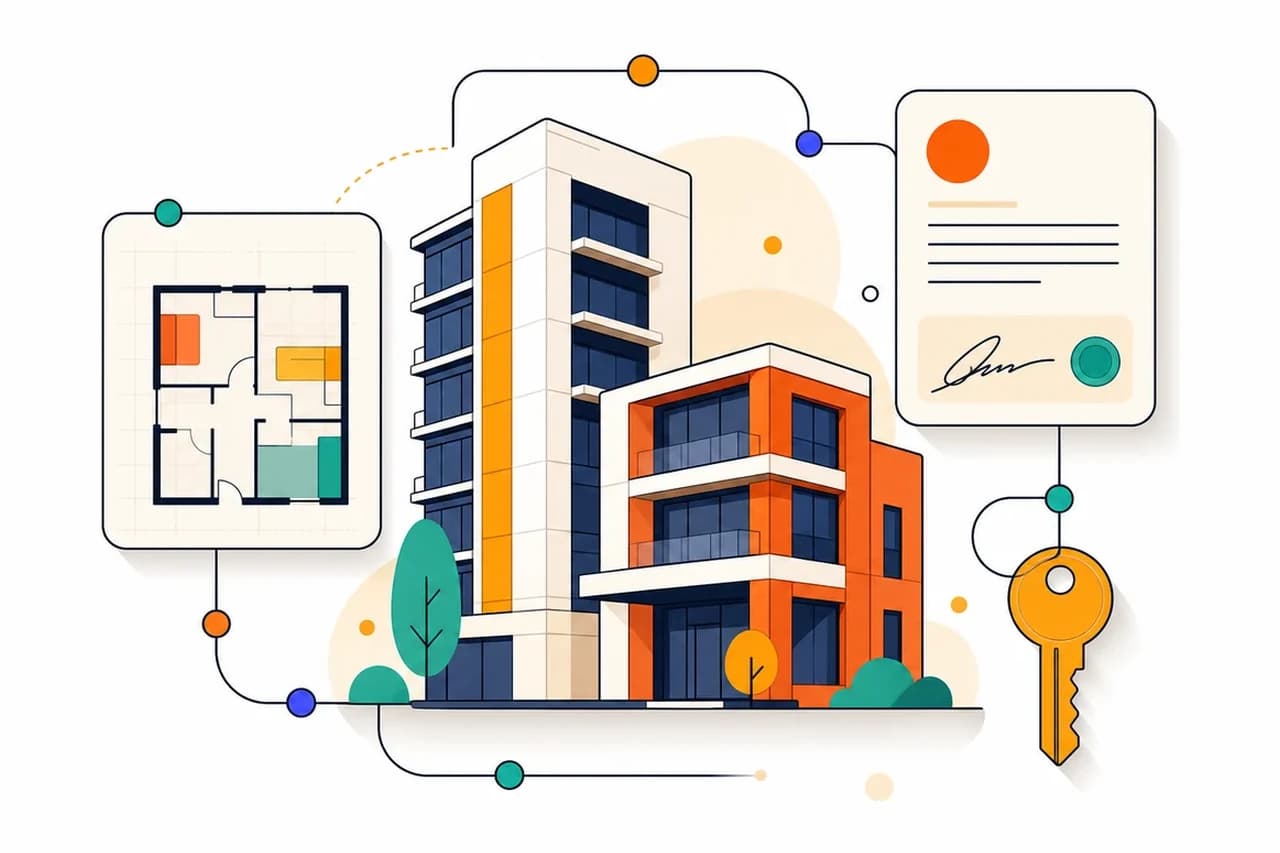
The same feature means something different in a bank, a clinic, a warehouse, or a factory. We learn the operating model first, then build the workflow, data, and controls around it.

Why context matters

Domain knowledge changes what gets built

A technically correct system can still fail if it ignores how decisions are approved, where data becomes trustworthy, or what an operator needs when the normal path breaks.

We bring patterns from similar operating environments, then validate them with the people doing the work. That shortens discovery without pretending every company works the same way.

  • The vocabulary and states your teams already use
  • The controls, exceptions, and evidence the work requires
  • The outcome the system must improve after launch
Operating contextFitted systemRulesPeopleRiskEconomicsWorkflowhow work actually movesDatawhat the business must trustControlswhat can never fail quietlySoftware that fitsContext changes the architecture, the priorities, and the definition of done
Across every sector

The reusable part is our method, not your workflow

We reuse engineering discipline—clear state models, observable systems, controlled releases, and reproducible decisions—while the product remains specific to the operation.

Model the operation

We map actors, states, handoffs, and exceptions before choosing components. The architecture follows how value actually moves.

Put controls in the path

Permissions, approvals, evidence, and failure boundaries live inside the workflow instead of in a policy nobody sees.

Measure the real outcome

Success means fewer breaks, faster cycle time, safer decisions, or stronger margin—not simply more screens shipped.

Design for the operator

Automation handles the routine path; people get context, reason codes, and a clear next action when reality deviates.

Let's build something that lasts

Tell us about your project and we'll get back to you within one business day with next steps.